
From German Girls Genealogy (Teresa Steinkamp McMillin & Debra A. Hoffman):
Time is really flying! Registration for “German Phase 2: Research the Hometown Online” opens May 16, 2026. That is a little under two weeks away. We want to take this opportunity to talk about two of the great instructors who will be teaching alongside us.
Katherine Schober
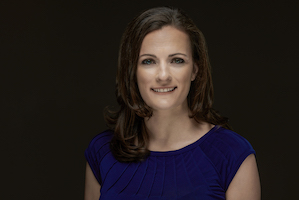
Katherine Schober, founder and CEO of Germanology Unlocked, is a German genealogy translator, author, and speaker. Known for her enthusiasm for teaching, she finds great joy in helping individuals uncover their German roots and preserving their family stories.
Katherine specializes in deciphering the old German handwriting, offering services that include expert translations, engaging webinars, and in-depth classes and workshops. Her expertise has made her a sought-after speaker at national genealogy conferences such as RootsTech, the International German Genealogy Partnership Conference, National Genealogical Society, and others.
With a Master’s degree in German, Katherine brings a love of language into the genealogy world. She spent four years living in Salzburg, Austria, and returns every year to visit her Austrian in-laws. Even though she and her Austrian husband live in the United States, German is still the main language spoken in their home.
Katherine is the author of the popular books “The Magic of German Church Records” and “Tips and Tricks of Deciphering German Handwriting”. She is also the creator of the online courses “The Complete Guide to German Genealogy”, “German for Genealogists”, and “Reading the Old German Handwriting”.
Her translations have been featured on the History Channel and PBS’ “Finding Your Roots”.
In German Phase 2, Katherine will teach two sessions:
- “Working with German Church Records: A Step-by-Step Guide.” This presentation guides participants through a practical, step-by-step approach to reading these valuable records, focusing on extracting key elements such as dates, names, parents’ names, occupations, places of residence, and more. Participants will develop an understanding of record formats, content conventions, and genealogical terminology, while also building skills in recognizing aspects of the old German handwriting and interpreting abbreviated and historical language.
- “German Civil Records: A Systematic Approach to Extracting Genealogical Clues.” This presentation examines German civil records, introduced across Germany in 1876 (and in Prussia in 1874). In addition to exploring the structure and conventions of these valuable German records, participants will also develop essential techniques for recognizing critical information such as names, dates, occupations, relationships, and more.
Paula Stuart-Warren
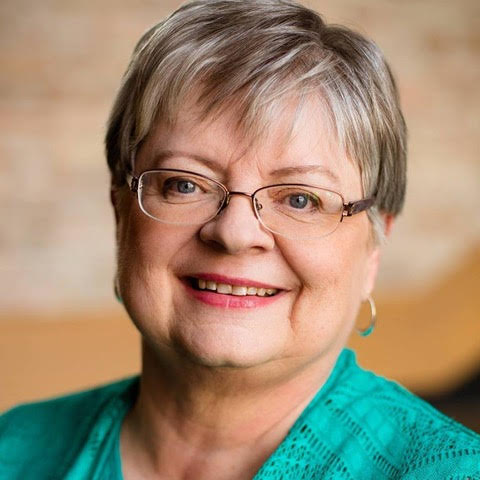
Paula Stuart-Warren Certified Genealogist®, FMGS, FUGA, is an internationally recognized genealogical educator, researcher, and consultant focusing on unusual resources, manuscripts, methodology, and analyzing records. She also specializes in Native American research, the WPA, and railroad records with extensive research in libraries, courthouses, libraries, state archives, historical societies, and multiple locations of the U.S. National Archives. She has coordinated or taught in courses for the Salt Lake Institute of Genealogy, GRIP Genealogy Institute, Texas Institute of Genealogical Research, Institute of Genealogy and Historical Research, Family Tree University, and presents seminars and webinars across the U.S. and Canada. She was member of the Board of Directors of the former Federation of Genealogical Societies, the Minnesota Genealogical Society, and a former officer of the Association of Professional Genealogists.
She descends from eight ancestral countries and researches her own family connections across many borders including her Prussian ancestors with a few mysteries. Then there are the mysteries presented by clients and solving those has been rewarding. She has her own educational website and blog at http://genealogybypaula.com and is enthusiastic about sharing knowledge and continuing education.
In German Phase 2 she will be teaching “They Joined and They Associated: Finding Records of Germanic Organizations and Other Collections in the U.S.” Germanic ancestral families often joined organizations related to German heritage, fraternal, charitable, religious, resettlement, political, social, or other types. There may be substantial family information buried away in a manuscript collection. Finding aids lead us to these collections with records of membership, relationships, donations, hardships, necrologies, stories, activities, and more.
See this link for details and registration, once available on May 16.

