
From German Girls Genealogy (Teresa Steinkamp McMillin & Debra A. Hoffman):
Registration for “German Phase 2: Research the Hometown Online” opens in two days, May 16, 2026. We want to tell you about two more wonderful instructors that we are happy to be working with.
Ute Brandenburg
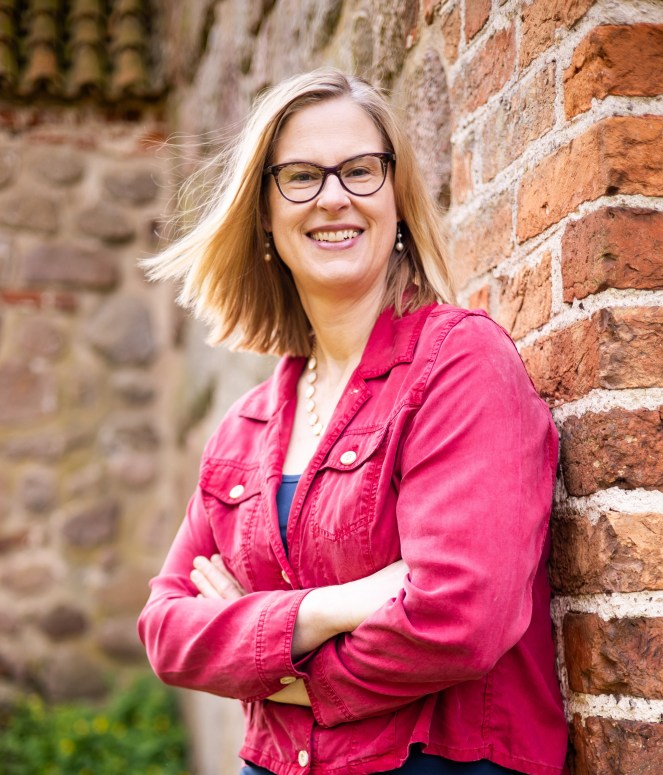
Ute Brandenburg is a bilingual German American, born in the US and educated in Germany. As a researcher, she combines her thorough understanding of German history, geography, and culture with a broad knowledge of US immigration history and sources.
Ute has a fascination with old documents. Among her favorite experiences as a researcher is working with original records at German and Polish archives. She excels at reading handwritings from five centuries.
Ute has remarkable success in using DNA to solve German origin questions as well as cases of unknown paternity in 20th century Germany. She lectures to international audiences on this topic.
Together with Ursula C. Krause, Ute presents symposia on German genealogy and history at German Genealogy Headquarters https://genealogyheadquarters.com.
In German Phase 2, Ute will teach three sessions:
- “Finding Volker’s Father – A DNA Case Study.” Volker P. was born in Berlin in 1949 and emigrated to Australia with his parents as a young boy. In 2018, he learned that the man who had raised him was not his biological father. This intriguing case study demonstrates how a paternity case was solved through a third-cousin DNA match, the analysis of ancestral migration patterns, and careful sleuthing in historical records.
- “Hidden Gems in German and Polish Archives.” Many researchers are unaware of the wealth of resources held in local and regional German archives, ranging from wills and court records to mortgage registers, tax lists, and emigration files. Polish archives, meanwhile, are essential for researching Germans from the former Eastern Provinces, where church records often did not survive. Archival materials can help fill in blanks in your family tree, but also provide details not found in parish records, allowing for a deeper understanding of an ancestor’s life experience. This presentation will show sample records from different areas of Germany and Poland, explain their value, and show how they were found.
- “The Status Designation in Church Records: A Mirror of Local Society.” German church records contain detailed information about individuals’ social statuses – terms such as citizen, inhabitant, or neighbor – that reflected their place within the community. But what exactly do these designations mean, and why was status so significant? This lecture explores the importance of status in historical context, analyzing examples from communities of different sizes, locations, and periods.
Daniel Jones
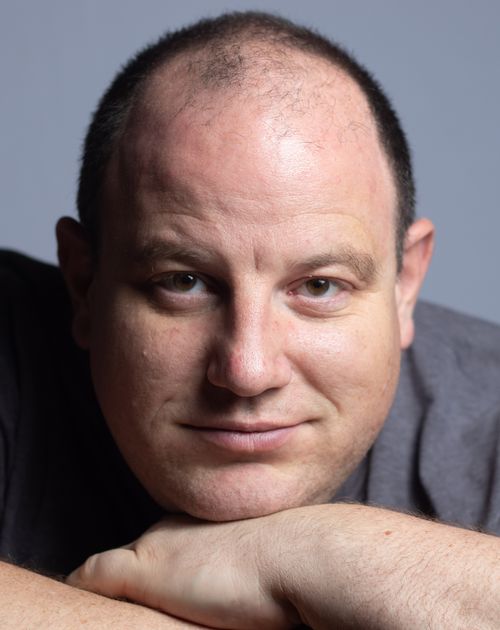
Daniel R. Jones, MS, AG® is an Accredited Genealogist specializing in Swiss and German research. After graduating magna cum laude from Brigham Young University, Daniel worked professionally for over a dozen years in helping several high-profile clients with research all over Europe. He has experience in numerous archives across more than a dozen countries in Europe, North America, Africa, and Australia. Daniel has also presented at multiple national conferences, including FGS, IGHR, SLIG, FEEFHS, and RootsTech. He is currently a research specialist in Germanic and Slavic Europe for the FamilySearch Library.
In German Phase 2 he will be teaching two sessions:
- “Civil Registration”
- “Solving Complex Genealogical Problems: The Case of Balthasar Weber”
We hope you will join us for the class! See this link for details and registration, once available on May 16.

